Last updated November 21, 2026
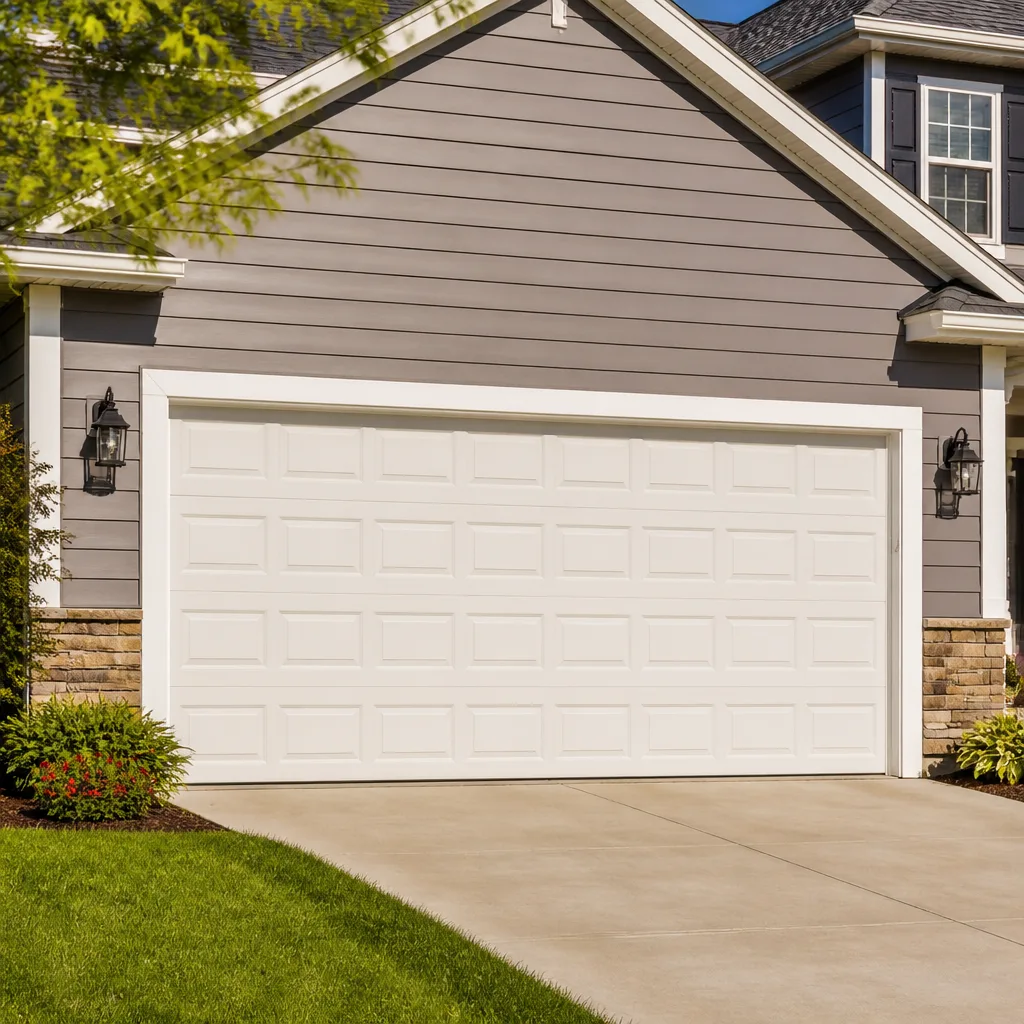 Raised-panel steel
 Carriage house
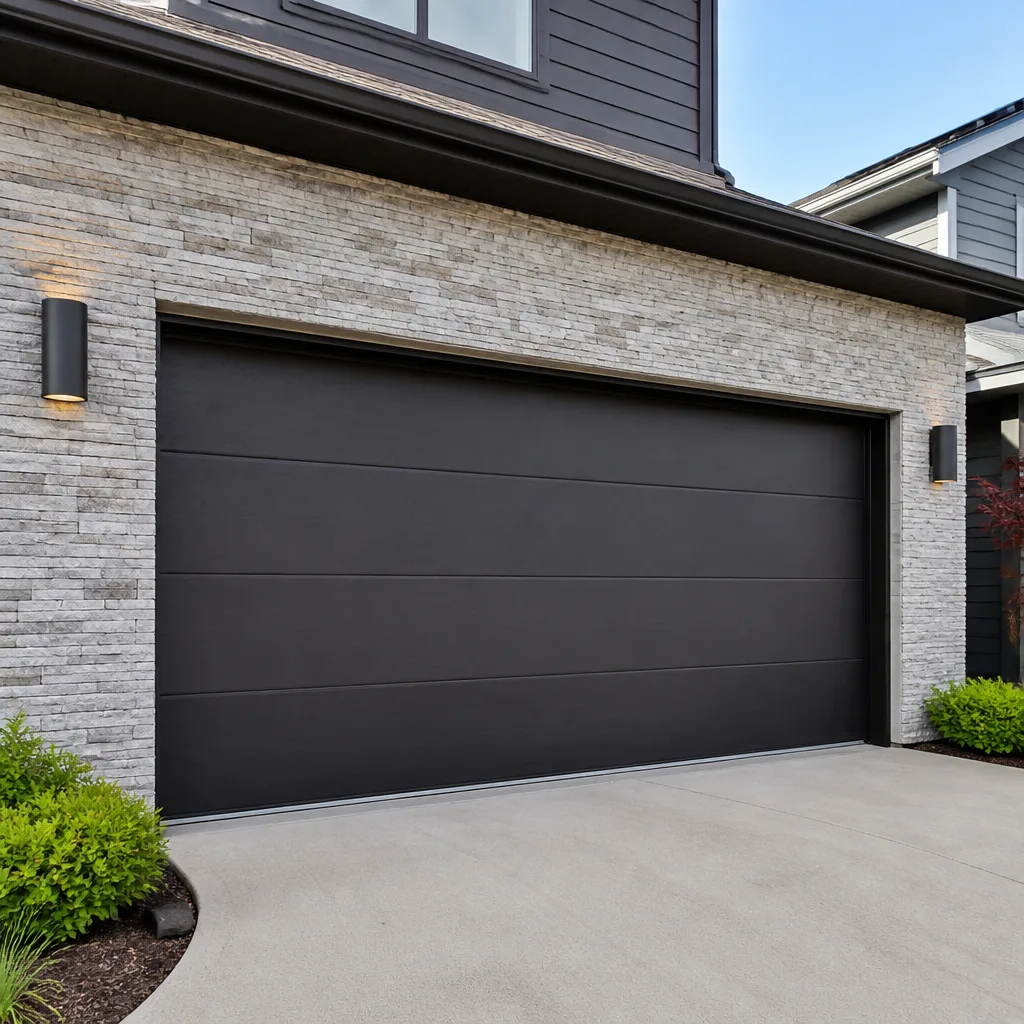 Modern flush
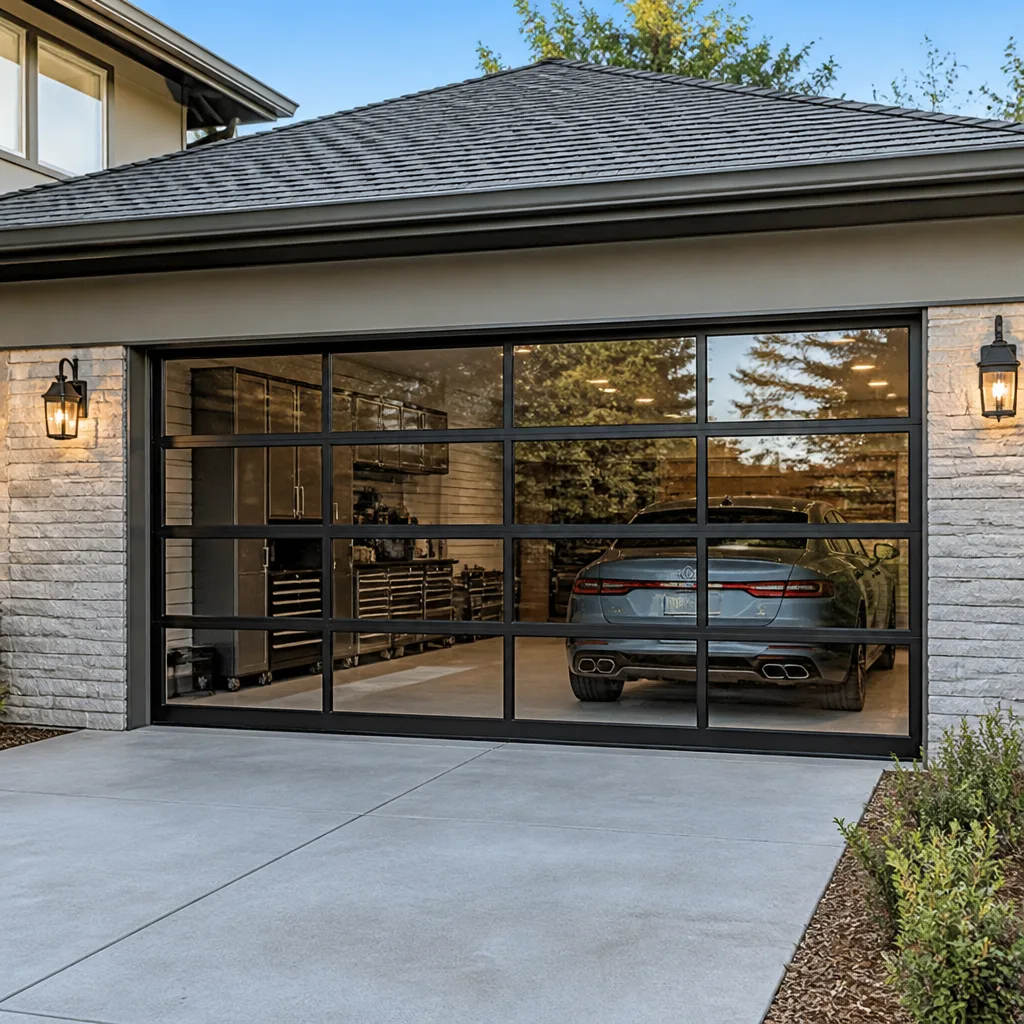 Full-view glass
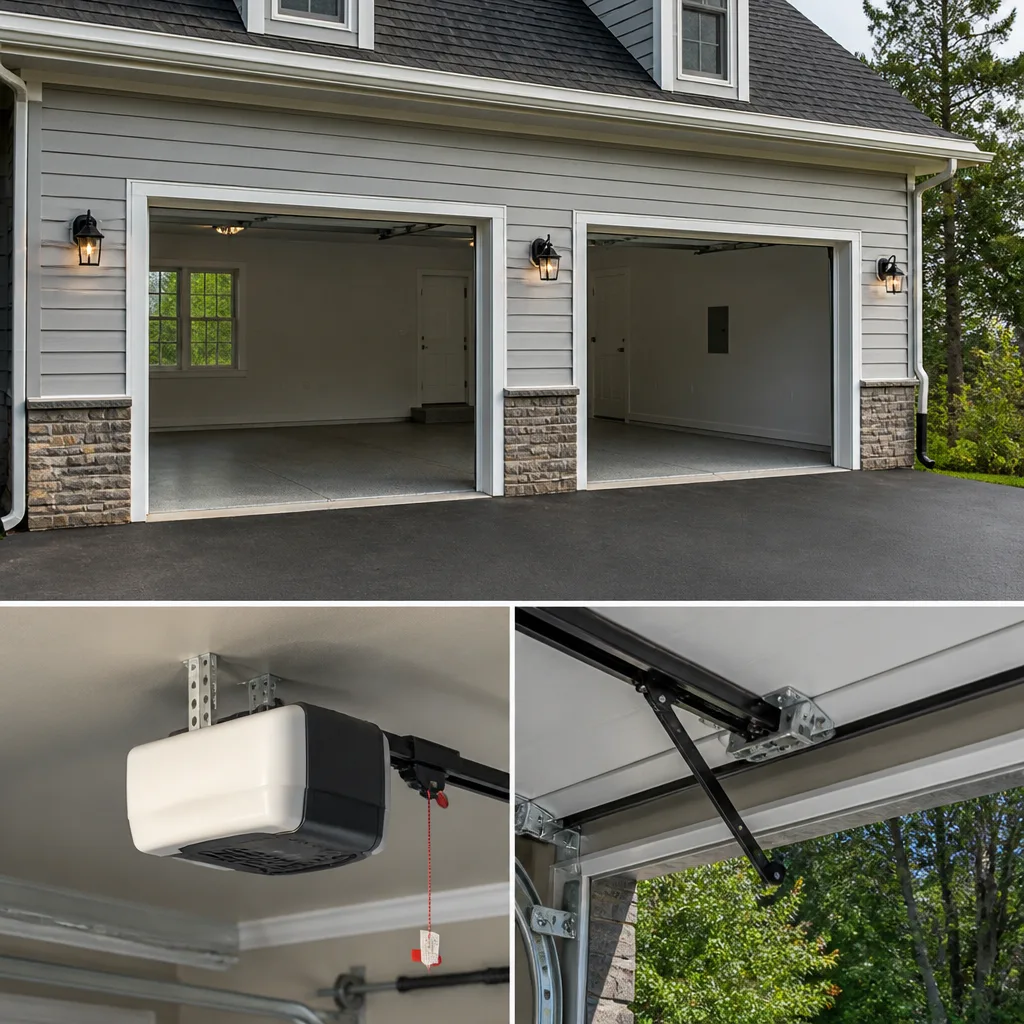 LiftMaster openers
 Chamberlain openers
Full 25-point door and opener safety check with every visit - springs, cables, rollers, tracks, and your LiftMaster or Chamberlain opener included
You get a price before we start. It does not change when the pro arrives.
Get your free estimateDIY vs Professional Garage Door: The Davie Homeowner’s Decision Guide
Torsion springs injure people every year, and not because those people were careless or unskilled. A torsion spring holds 150 pounds or more of torque, and when it lets go it does so without warning or negotiation. Most home repairs forgive a wrong turn or a slipped wrench. This one doesn’t. That single fact is what should draw the line between what you handle yourself and what you hand off, and it has almost nothing to do with how handy you are. In this guide we’ll split garage door work into three honest categories – safe to do yourself, doable with real precautions, and professional-only – and explain the Florida permit, warranty and insurance reasons some jobs must go to a licensed contractor no matter how capable you are. You’ll also learn how to get more out of a single service visit in Davie so you can safely maintain the rest of the door yourself.
Quick Answer
Lubrication, visual inspections, tightening exposed bolts, testing the safety reverse and cleaning the tracks are safe for most Davie homeowners to handle. Torsion spring replacement, cable replacement, and any work that requires loosening or removing a spring or cable should always go to a trained technician. Installation and replacement of the door itself, plus any work that changes the structure, needs a licensed contractor because it involves permits and wind-load compliance in Florida.
Styles & brands we work with
- Raised-panel steel
- Carriage house
- Modern flush
- Full-view glass
- LiftMaster openers
- Chamberlain openers
Table of Contents
- The Three Categories of Garage Door Work
- Safe DIY Tasks You Can Handle This Weekend
- DIY With Risk: Tasks That Need Serious Precautions
- Professional-Only Work and Why
- Florida Permit, Wind-Load and Warranty Rules
- The Real Cost of DIY Gone Wrong in Davie
- Tools and Knowledge You Actually Need
- How to Use a Professional Visit Strategically
The Three Categories of Garage Door Work
Most DIY advice online treats garage door repair as one undifferentiated block of tasks. That’s the mistake. The work ranges from “wipe and spray” to “one slip and you’re in the emergency room,” and treating it all the same either scares you away from easy maintenance or lures you into danger. We split it three ways because that reflects how the risk actually changes from task to task.
Category one: safe DIY. These tasks involve no stored energy, no tensioned parts, and no structural change. Lubricating rollers, hinges and the opener rail, wiping down tracks, checking the balance of the door, testing the photoelectric eyes and the safety reverse, and tightening loose bolts with a wrench all sit here. If you can change a light bulb and use a screwdriver, you can do these.
Category two: DIY with risk. Some tasks are within reach of a careful homeowner but carry real consequences if done wrong. Replacing rollers and hinges is the classic example, because the door has to be held open at a safe height while nothing is under tension. Adjusting the opener’s force and travel limits also lands here – you can do it, but you need to understand what you’re changing and re-test the safety reverse afterward.
Category three: professional-only. Anything involving torsion springs, extension springs, cables, drums or the structural anchoring of the door belongs to a trained technician. That’s the whole spring and cable system, plus any installation, replacement or structural adjustment of the door. This is not a comment on your competence. It’s a comment on the physics of stored energy.
In our experience across Davie, the homeowners who get into trouble are rarely the ones who tried to replace a torsion spring. They’re the ones who watched a video, decided the spring job was “basically the same” as the roller job, and skipped the distinction entirely. Category boundaries exist so you don’t have to make that judgment cold.
Safe DIY Tasks You Can Handle This Weekend
The routine side of garage door maintenance is genuinely within reach of most homeowners, and doing it yourself keeps the door running quieter and longer between service calls. The key is to stay firmly inside this list and not let “while I’m out here” pull you into the next category.
- Lubricate the moving parts. A few drops of garage door lubricant on rollers, hinges and the opener rail, once or twice a year. Never use grease on the tracks.
- Wipe down the tracks. A damp cloth along the inside of each track removes grit. Don’t lubricate the tracks – clean metal is what you want.
- Tighten exposed bolts and brackets. Hand-tighten the bolts that hold the hinges and the track brackets. Loose hardware rattles and eventually walks out of alignment.
- Test the safety reverse. Place a 2×4 flat on the ground under the door and close it. The door should reverse when it meets the board. If it doesn’t, stop and call a technician.
- Test the photoelectric eyes. Wave an object in front of the sensors near the floor. The door should refuse to close while the beam is broken.
- Check the balance. With the door closed, pull the release cord to disconnect the opener and lift the door to waist height. A balanced door stays put. A door that drifts down or shoots up needs professional attention.
- Inspect the rollers and hinges visually. Look for cracked rollers, bent hinges or worn nylon. Replacing a roller is doable; noticing one is failing is the first step.
None of these tasks puts you near a tensioned spring, and none changes the structure of the door. That’s what makes them safe. If a task on this list reveals a problem you can’t solve with a wrench and a cloth, treat that as your cue to stop and schedule a service call rather than escalating on your own. It’s also worth remembering that a routine tune-up, which we quote per job by estimate, catches what a visual inspection can miss – a good reason to book one before a small problem becomes a failed spring at the worst possible moment.
DIY With Risk: Tasks That Need Serious Precautions
A handful of jobs sit between the weekend tune-up and the professional-only line. They’re doable for a careful homeowner, but only if you respect what the door is doing while you work on it. These are the tasks where people most often get hurt, not because the job itself is hard, but because they underestimate the stored energy still in the system.
Replacing rollers and hinges is the most common example. Both live under load from the door weight and the spring tension, and the only safe way to reach them is to raise the door fully, clamp it open with a C-clamp on the track just above a roller, and disconnect the opener first. Never reach into a moving door. Never reach above a partially open door that isn’t clamped. If you can’t clamp it, you can’t safely touch it.
Adjusting opener force and travel limits is a subtler risk. You can turn the adjustment screws on most openers yourself, but the safety reverse is what stops the door on a person or a pet. Every adjustment you make must be followed by a full safety reverse test. If the door reverses on your body weight but not on a 2×4, you’ve made it more dangerous, not less.
Realigning a bent track can sometimes be handled with a rubber mallet and careful force at the bottom of the door. Anything above the mid-height track bracket, where the door carries the lever of its full weight, is not DIY material.
Here’s the honest test we’d apply: if the task requires you to loosen a bracket under tension, reach above a door that isn’t clamped open, or guess at a torque value, it’s professional-only no matter how the video made it look. A trained technician knows what the door is doing at every stage of the job. If you’re not sure at every stage, hand it off.
Professional-Only Work and Why
This is the category that determines the whole guide, so we’ll be blunt about it. Torsion springs, extension springs, cables and the drums they run on carry every bit of the energy that lifts the door. When one fails, it fails fast and hard. We repair torsion and extension springs every week, and the technicians who touch them are the ones trained to handle a part under 150 pounds or more of torque without getting hurt.
Here’s the split, and it’s non-negotiable in our book:
- Torsion spring replacement. Winding or unwinding a torsion spring requires two proper winding bars and the knowledge of how many turns the spring needs. A slipped bar can shatter a knuckle or worse. This is the single most dangerous job in the trade.
- Extension spring replacement. Older double-spring doors use extension springs that run overhead on cables. They can whip violently when they break or are released incorrectly, which is why modern installation practice includes a safety cable through the middle of the spring.
- Cable replacement. Cables are under continuous tension and are the part that actually holds the door up when the spring does its job. A released cable can cause serious injury, and replacing one requires releasing the spring tension first.
- Drum and end-plate work. Any adjustment at the end of the torsion bar involves the same stored energy as the spring itself.
- Door and opener installation. Replacing or installing a door, and installing a new opener, changes the structure and electrical work on the property. Both need a licensed professional in Florida, which is a separate issue from skill.
If you take one thing from this guide, it’s that the spring and cable system is not a DIY project regardless of your confidence. The door can work fine for months after a bad DIY spring job, then fail when nobody’s watching. We handle the risky side so you don’t have to bet your hands on it.
Florida Permit, Wind-Load and Warranty Rules
Florida adds a layer of legal and code obligation that has nothing to do with how handy you are. This is the part most DIY guides skip, and it’s the part that can follow a Davie homeowner for years if a job is done without the right contractor and the right permit.
Permits. A full door replacement is generally a permitted job in Florida because it changes the structure of the opening and affects the wind-resistance rating of the building envelope. Every municipality has its own process. Ask your city’s building department what a door replacement requires in Davie before you buy a door or start a project – rules and forms differ, and the building department is the only authority on what your specific address needs.
Wind-load compliance. Florida building code ties garage door performance to wind-load ratings, and a door that isn’t rated and installed to match the opening can fail inspection or, worse, void your coverage in a storm. That compliance line is why installation and replacement belong to a licensed contractor who can pull the right permit and document the rating. A licensed installation also means the work meets the code the inspector will actually check.
Warranty preservation. Most door and opener manufacturers tie their warranty to professional installation and sometimes to professional service on the spring and opener. A homeowner-installed opener can void the opener warranty, and a DIY spring job can void the door manufacturer’s coverage on the spring system. That’s a real cost hiding inside a “free” weekend project – keep the paperwork and the warranty intact by letting a licensed pro handle anything the manual says is professional-only.
Insurance implications. If a door failure leads to a claim, an insurer will want to see that permitted structural work was done by a licensed contractor. We can’t promise how a given policy will treat a given job, but we can tell you that permits and licensed work are what an adjuster asks for. For anything structural, that alone settles the DIY question.
The Real Cost of DIY Gone Wrong in Davie
The price of a DIY mistake isn’t just the repair bill. It’s the bill plus everything downstream, and in Davie the downstream costs tend to be the expensive part. A spring you install yourself is a free repair only if it works. If it doesn’t, you’re paying a technician to undo and redo it, and the door may have been run out of balance in the meantime.
Here’s the tally to weigh against the cost of a professional job:
- The redo. A failed DIY spring, cable or track job gets redone by a professional, and you pay twice for the same repair.
- Collateral damage. A released spring or cable can bend a track, crack a panel, strip a hinge or knock the door out of alignment. The repair grows.
- Permit issues. An unpermitted door replacement or structural change can complicate a future sale, inspection or insurance claim. Getting it corrected after the fact costs more than doing it right the first time.
- Voided warranty. A DIY opener install or spring job can void the manufacturer’s coverage on the parts you just replaced. The door and opener are expensive equipment – losing the warranty is a real loss.
- Safety risk to the household. A door that fails during a gust, a reverse test that no longer works, a spring that lets go while someone is underneath – these are the outcomes no repair bill can offset.
We price every job with a written estimate before any work starts, so you know the number going in. That’s the fair comparison: the written professional price versus the possible cost of a second repair, a voided warranty and a permit headache. When you put those side by side, the safe DIY list is where you save money by doing it yourself, and the professional-only list is where you save money by not.
Tools and Knowledge You Actually Need
An honest capability check starts with the tools on your shelf and the knowledge in your head, not with how confident you feel. Before you start any garage door task, walk the list below and be truthful about what you have and what you actually understand.
Tools for the safe DIY tasks:
- Adjustable wrench and socket set for tightening bolts and brackets
- A garage door lubricant (not WD-40, and never grease on the tracks)
- A level and a tape measure for checking track alignment
- A 2×4 scrap for the safety reverse test
- Safety glasses and work gloves
Tools for the DIY-with-risk tasks, on top of the above:
- Two C-clamps to hold the door open on the track
- A rubber mallet for careful track adjustment
- Replacement rollers and hinges sized to your door
- The opener manual, for the force and travel adjustment procedure
What a professional needs that you should not try to assemble yourself:
- Two proper winding bars for torsion spring work
- Knowledge of the correct number of turns for your specific spring and door weight
- Lifting equipment and clamps for door and panel replacement
- A license and permit capability for structural work
If you can check every box in the first list and none in the third, you’re exactly where you should be as a homeowner. If the job needs the second list, read the precautions before you start and stop the moment anything doesn’t feel controlled. If it needs the third, it’s time to call a trained technician. Our technicians have up to 15 years of experience, and they’ve seen what a wrong winding count does to a door, which is why we’d rather you call than guess.
How to Use a Professional Visit Strategically
A service visit doesn’t have to end when the technician drives away. It can be a lesson, if you ask for it. We’d rather a homeowner understands their door and handles the safe maintenance themselves than call us for a squeak they could have fixed in ten minutes. Here’s how to get the most out of a single visit.
- Ask what caused the failure. A snapped spring, a worn cable and a stripped opener gear each have a cause. Understanding it helps you spot the warning signs next time.
- Ask the technician to point out the wear points. Rollers, hinges and the bottom bracket are where you’d look. Have them show you exactly where to check on your door.
- Ask what to lubricate and where not to. Get the specific spots – and get the reminder never to lube the tracks.
- Ask how to run the safety reverse test yourself. It’s the single most important test you can do, and it takes thirty seconds.
- Ask how often your specific door and opener need service. A door used every day on a busy Davie household gets checked more often than a door that opens twice a week.
- Ask what the next likely failure is. The technician can tell you which part is nearest the end of its life, so you’re not surprised.
- Ask for the written estimate before work starts. Ours always is, and you should expect that from any professional you hire.
We work on your brand and know the equipment we’re looking at – Amarr, Wayne Dalton, Craftsman, Raynor and the rest of the major makes – which makes it easier for us to show you exactly what to watch on your door. If you have a LiftMaster or Chamberlain smart opener, ask the technician to walk you through the app alerts, too. Those alerts flag a door that’s straining before it fails, and that’s a maintenance tool you can use yourself between visits.
Common Mistakes to Avoid
- Trying to replace a torsion spring yourself. This is the mistake that sends homeowners to the emergency room. A torsion spring holds 150 pounds or more of torque, and there’s no safe way to unwind or wind it without the right bars and hands that have done it before.
- Lubricating the tracks. Tracks need to be clean, not slick. Lubricant on the tracks collects grit and makes the door slide worse, not better. Save the lubricant for rollers, hinges and the opener rail.
- Reaching above an unclamped door. If the door isn’t clamped open on the track, it can come down. Never put your hands above a partially open door that isn’t secured.
- Adjusting the opener and skipping the safety reverse test. Every force or travel adjustment changes how the door responds to an obstacle. Test the reverse with a 2×4 every time, or you’ve made the door more dangerous than it was.
- Replacing a door without a permit. In Davie, a door replacement is generally a permitted job, and skipping the permit can complicate a sale or a claim later. Ask your city’s building department before you buy the door.
- Buying a door or opener you can’t get serviced locally. A no-name opener or an odd-size door can make future parts a nightmare. Stick with brands a local technician can actually source parts for.
- Ignoring the first warning signs. A door that jerks, squeals, reverses on its own or takes two tries to close is telling you something. Waiting for the snap costs more than scheduling the service call.
If any of these describe a job you’re about to start, stop and book a free estimate instead. It’s cheaper than the redo.
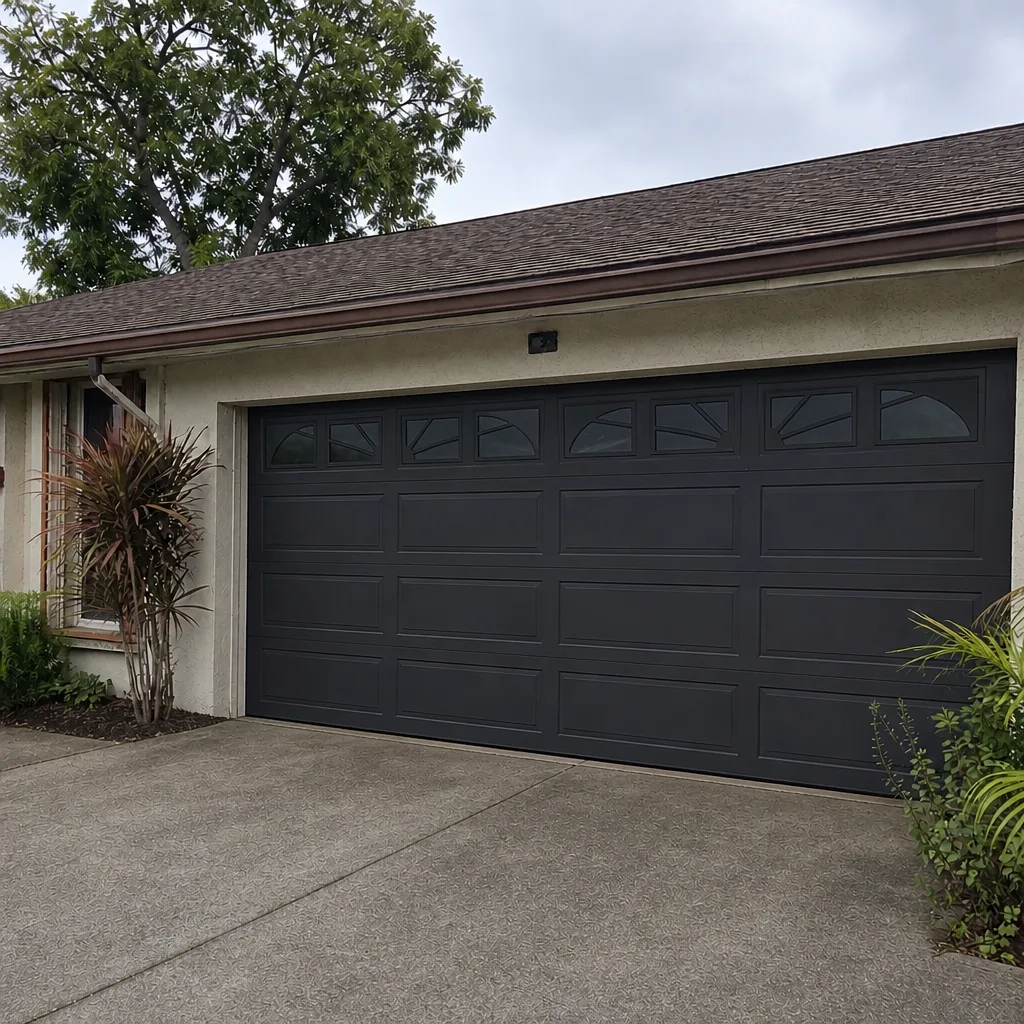
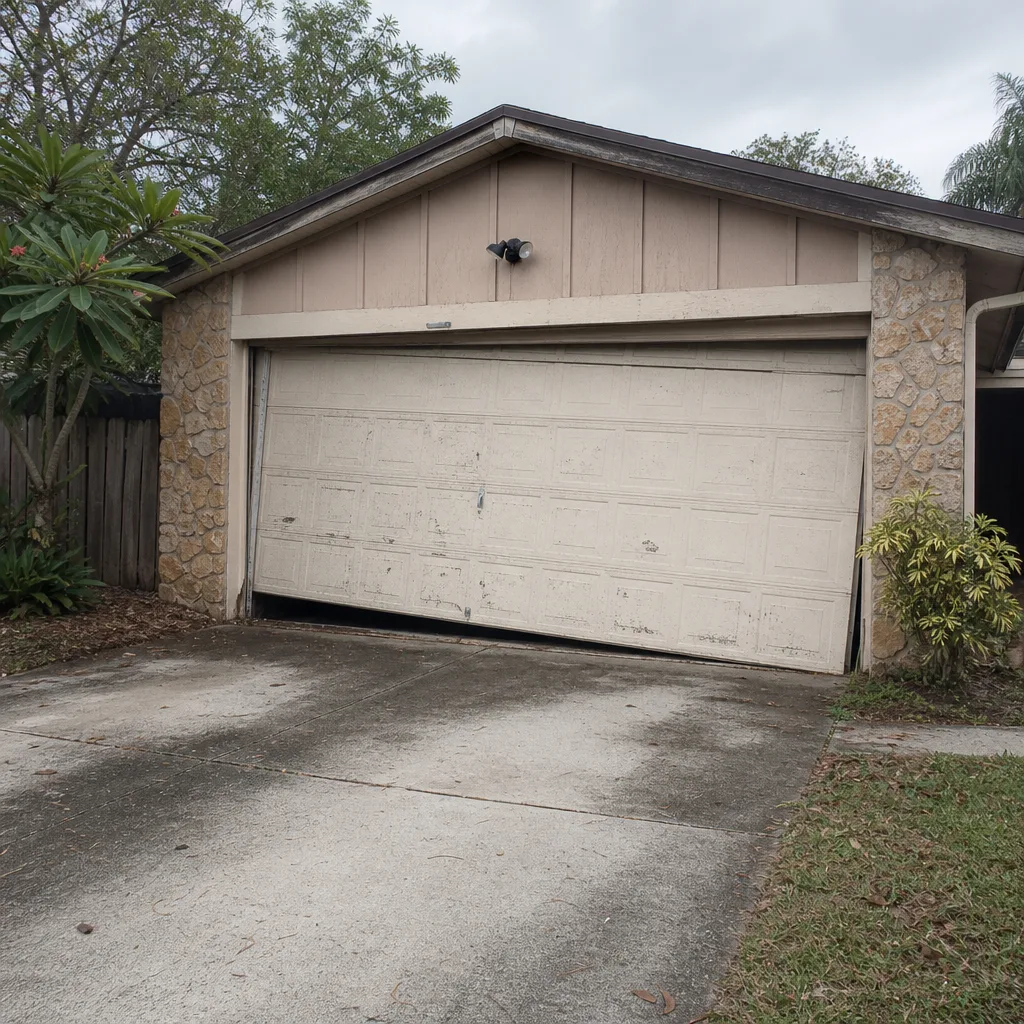
See the difference
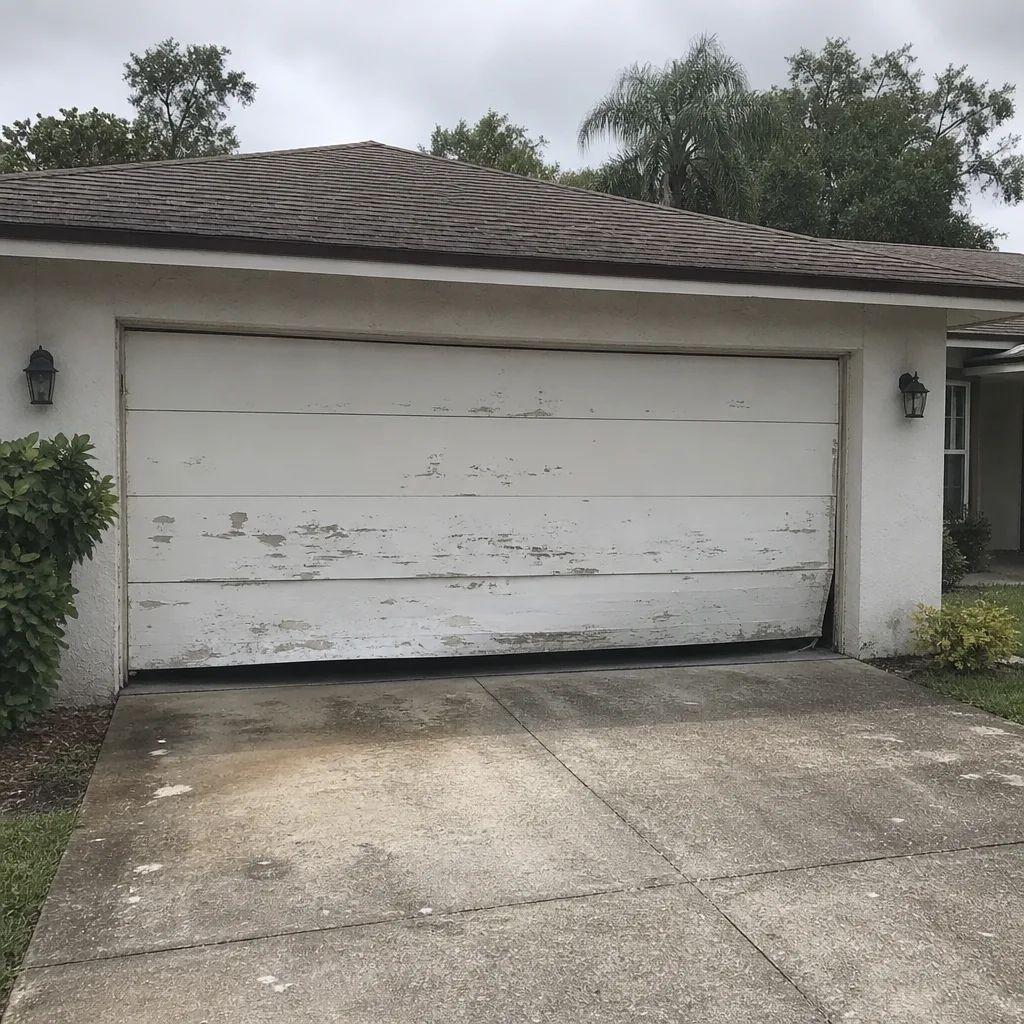 Before
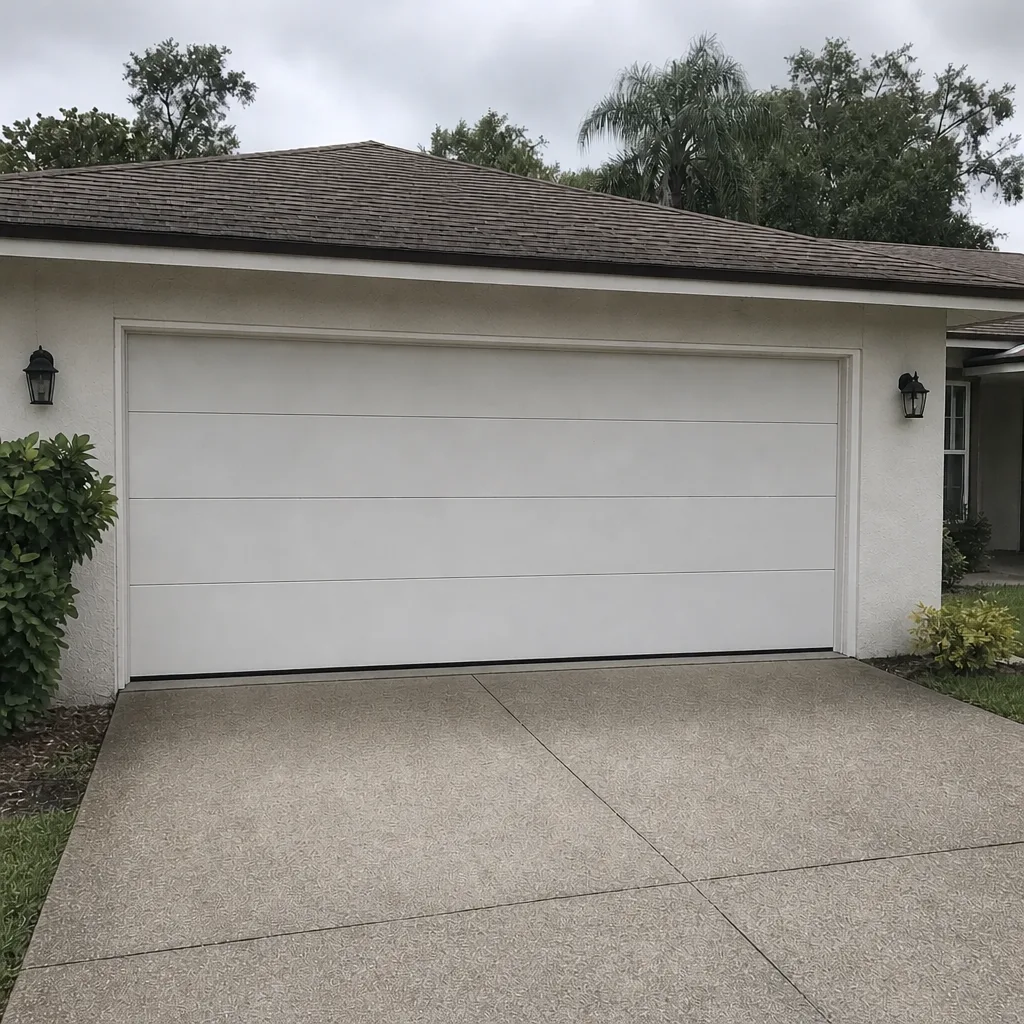 After
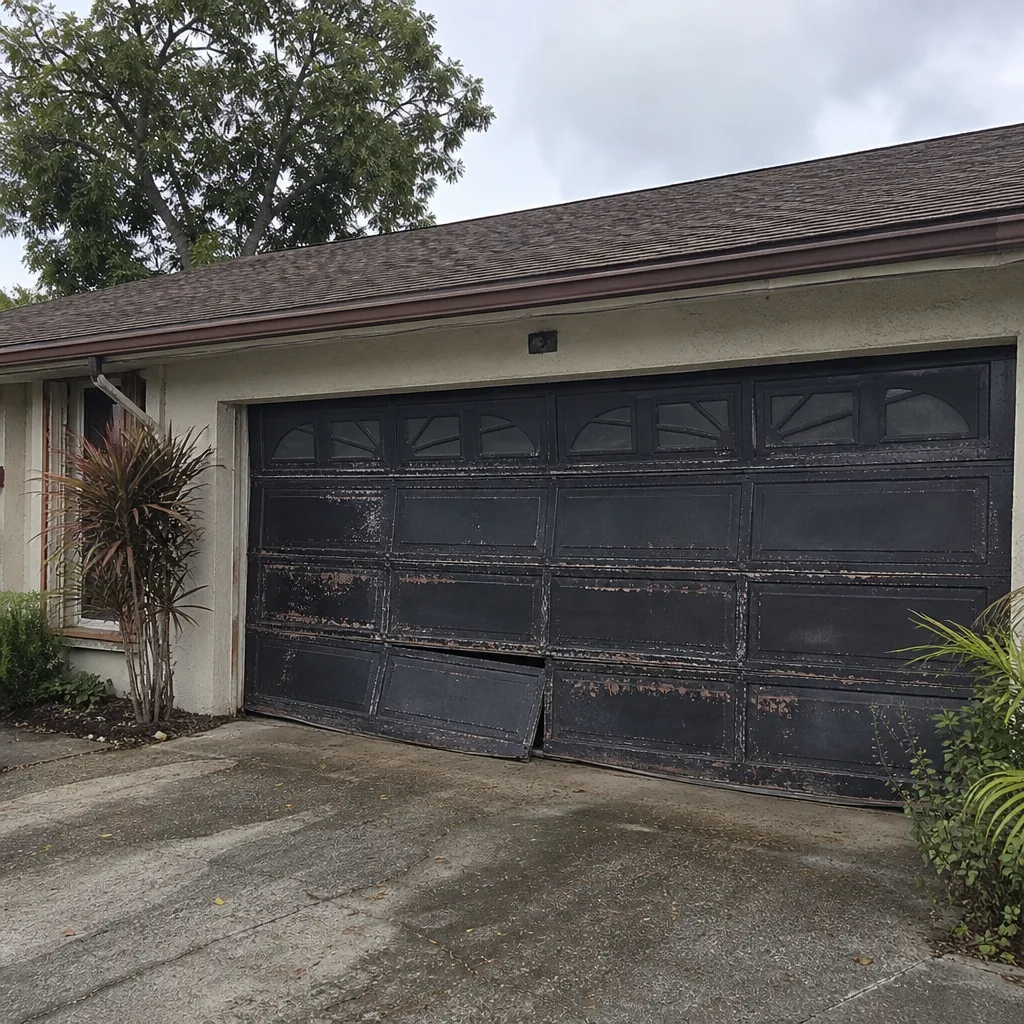 Before
 After
 Before
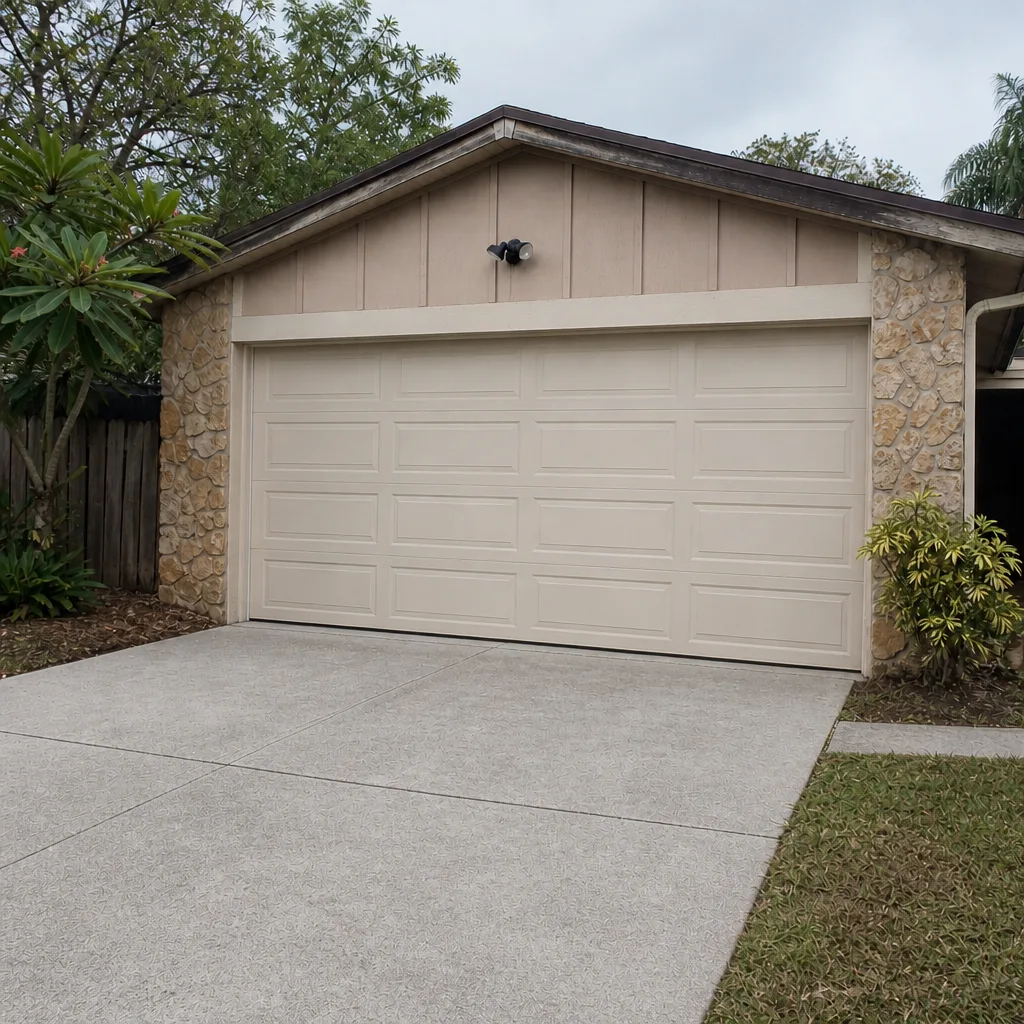 After
When to Call a Professional
Call a professional for anything on the third list, and call sooner rather than later if the door won’t move at all, if a spring has visibly snapped, or if the door is hanging unevenly on one side. Call us as well if the safety reverse fails, if the opener runs but the door doesn’t move, or if you hear a loud bang from the garage and find the door won’t lift. Those are the signs of a failed spring or cable, and running the opener on a broken spring can damage the opener motor and the door. For maintenance you can handle, do it yourself and save the service call. For anything touching the spring or cable system, installation or replacement, hand it to a licensed professional who can pull the permit and stand behind the work. Davie Garage Door Repair Co offers free estimates in Davie – call (866) 406-5925 and we’ll give you a written price before any work starts.
Frequently Asked Questions
No – garage door torsion and extension springs should always be replaced by a trained technician. The spring holds 150 pounds or more of torque, and a slipped winding bar or an improper winding count can cause serious injury. A professional replacement from our spring repair service is the safe route, and we quote the price in a written estimate before starting. Call (866) 406-5925 for that quote – estimates are free.
Spring repair is priced per spring and per job after we see the door, and we always give a written estimate before any work begins. A matched pair of springs is usually replaced together, so the price for a pair reflects both springs. Because the final number depends on the spring size, the door weight and whether the cables or drums are also worn, the written estimate is what sets the price. Call (866) 406-5925 for an exact quote – estimates are free.
Yes – emergency garage door service is a core part of what we do, and a door that won’t move is exactly the situation we handle. Call (866) 406-5925 and we’ll book the soonest available service window; we serve Davie and the surrounding area. Our response is fast dispatch from 7am to 7pm, and every repair gets a written price before work starts.
No surprise invoices, because the price is quoted and agreed before any work starts. We inspect the door, explain what’s needed, and write down the number. If the job reveals something extra, we talk to you about it before we touch it, and you decide. That’s the whole point of a written estimate – call (866) 406-5925 to get one.
Yes – the local professionals we connect you with are licensed and insured as their state requires. Our technicians have up to 15 years of experience, and we handle both the hardware and the opener side of the job, so you don’t need a second contractor. Call (866) 406-5925 with any questions about the work – estimates are free.
It depends on your address and the scope of the work, so the only reliable answer comes from your city’s building department – ask them before you buy the door. In general, a full door replacement in Florida is a permitted job because it affects the building envelope and the wind-load rating. Licensed installation covers the permit and inspection side, and it keeps your door and opener warranty intact. Call (866) 406-5925 if you’d like to talk through the installation requirements.
The Bottom Line
Keep the safe DIY list in your head: lubricate, clean, tighten, test, inspect. Those tasks save you money and keep the door working between service calls. Get honest about the second category, and stop the moment a job requires you to loosen something under tension or roll the dice on a winding count. The spring and cable system, installation, replacement and any structural work belong to a licensed professional, both because of the injury risk and because Florida permit, wind-load and warranty rules make DIY the more expensive path. The written quote is the price, and we quote before we start. If a job falls on the professional side, call Davie Garage Door Repair Co at (866) 406-5925 for a free estimate in Davie.
Written by the team at Davie Garage Door Repair Co.