Last updated November 21, 2026
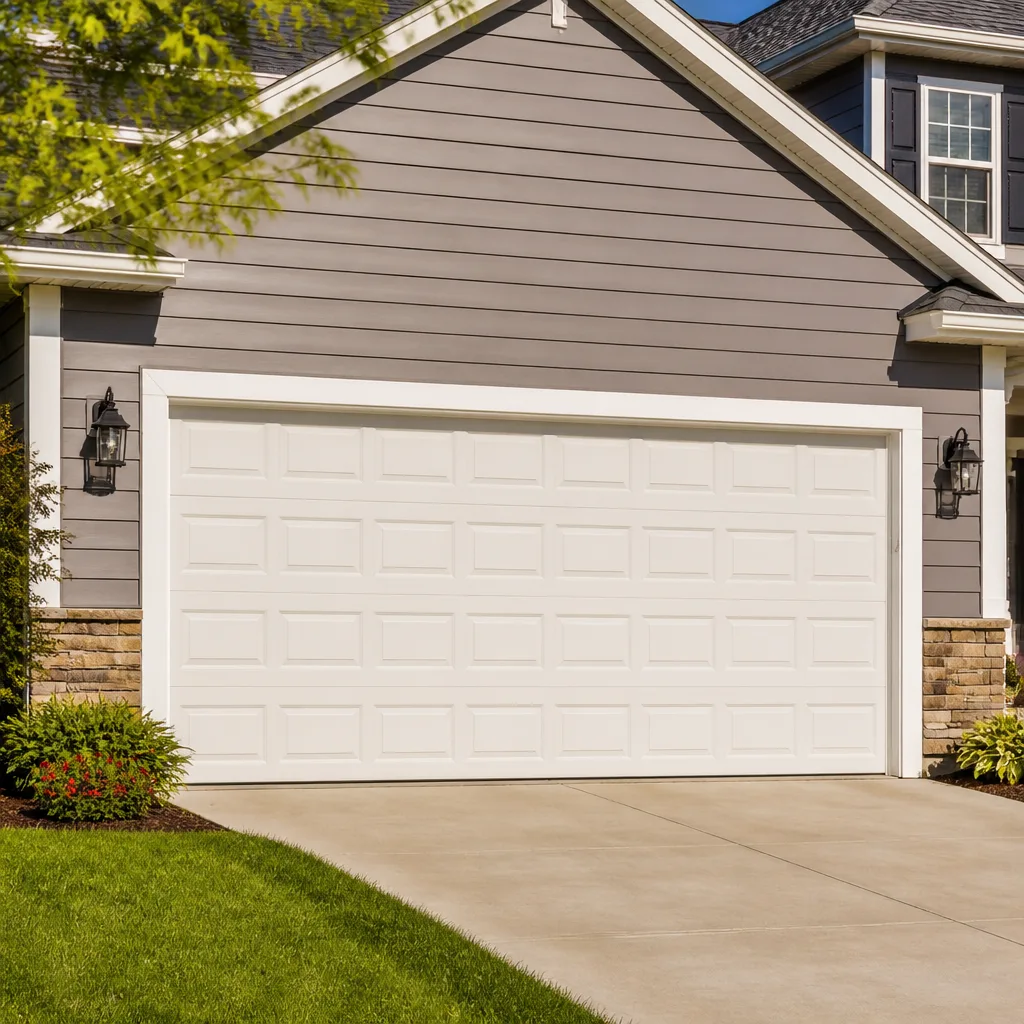 Raised-panel steel
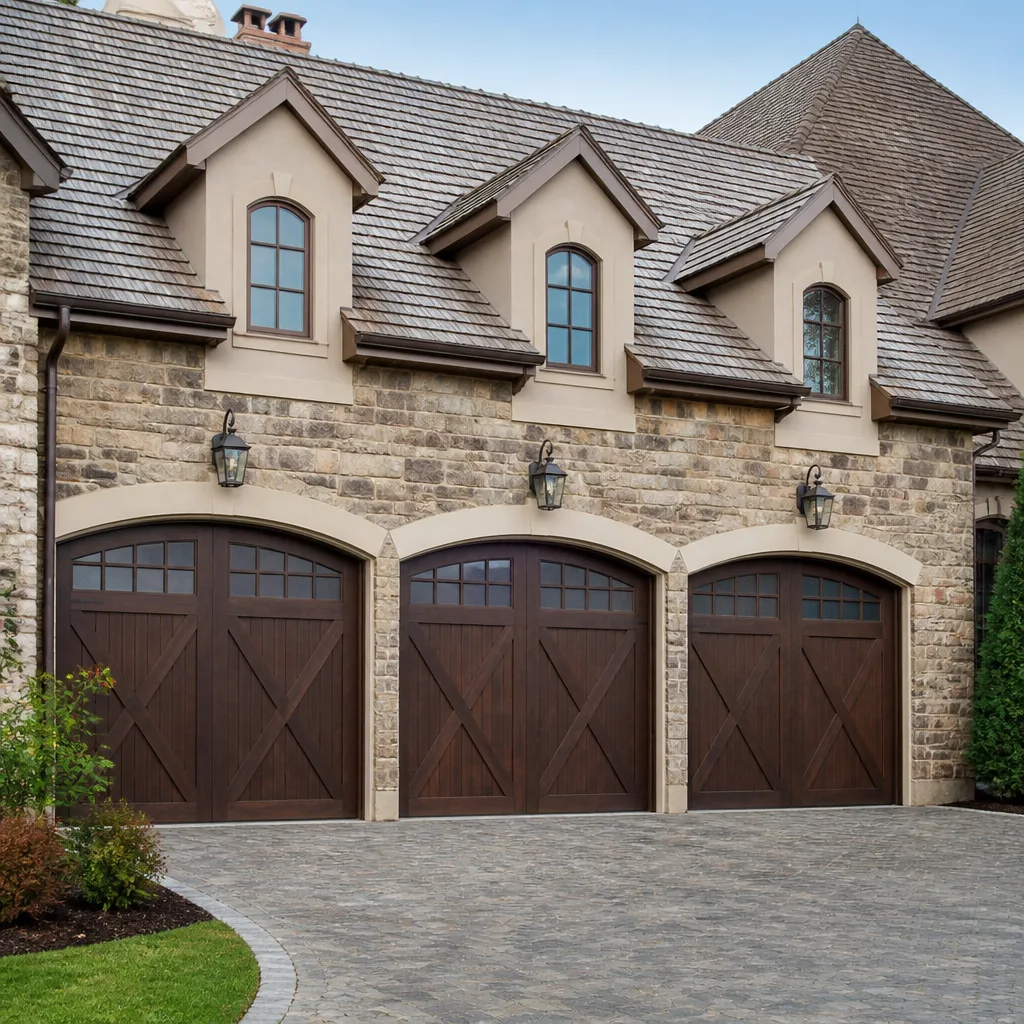 Carriage house
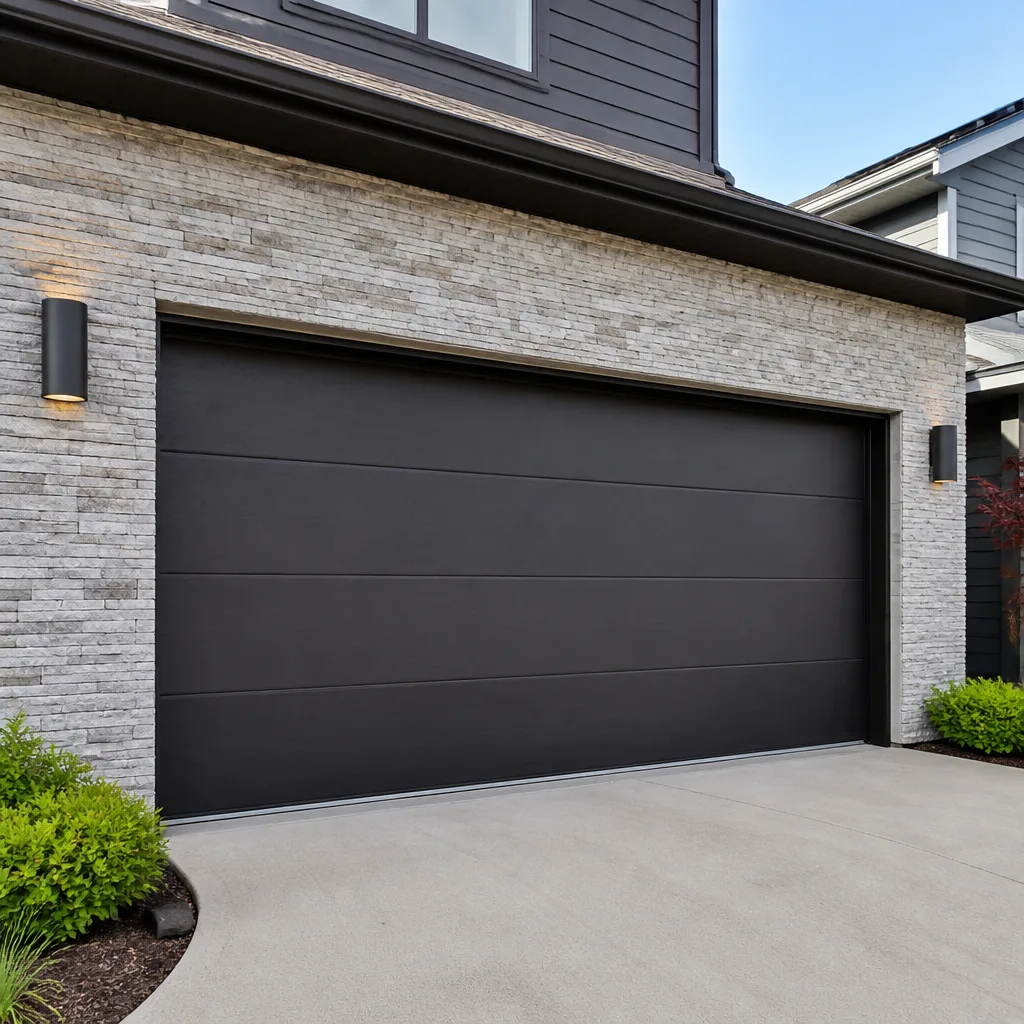 Modern flush
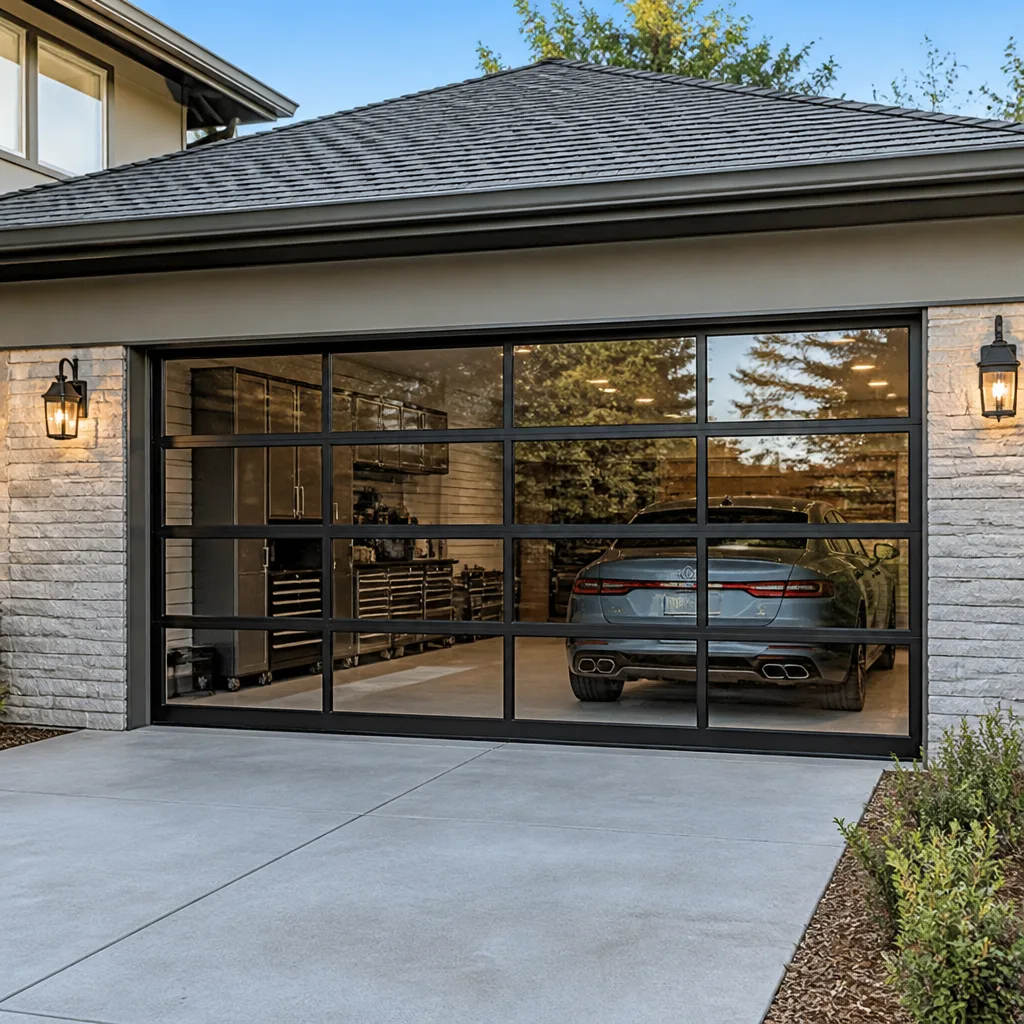 Full-view glass
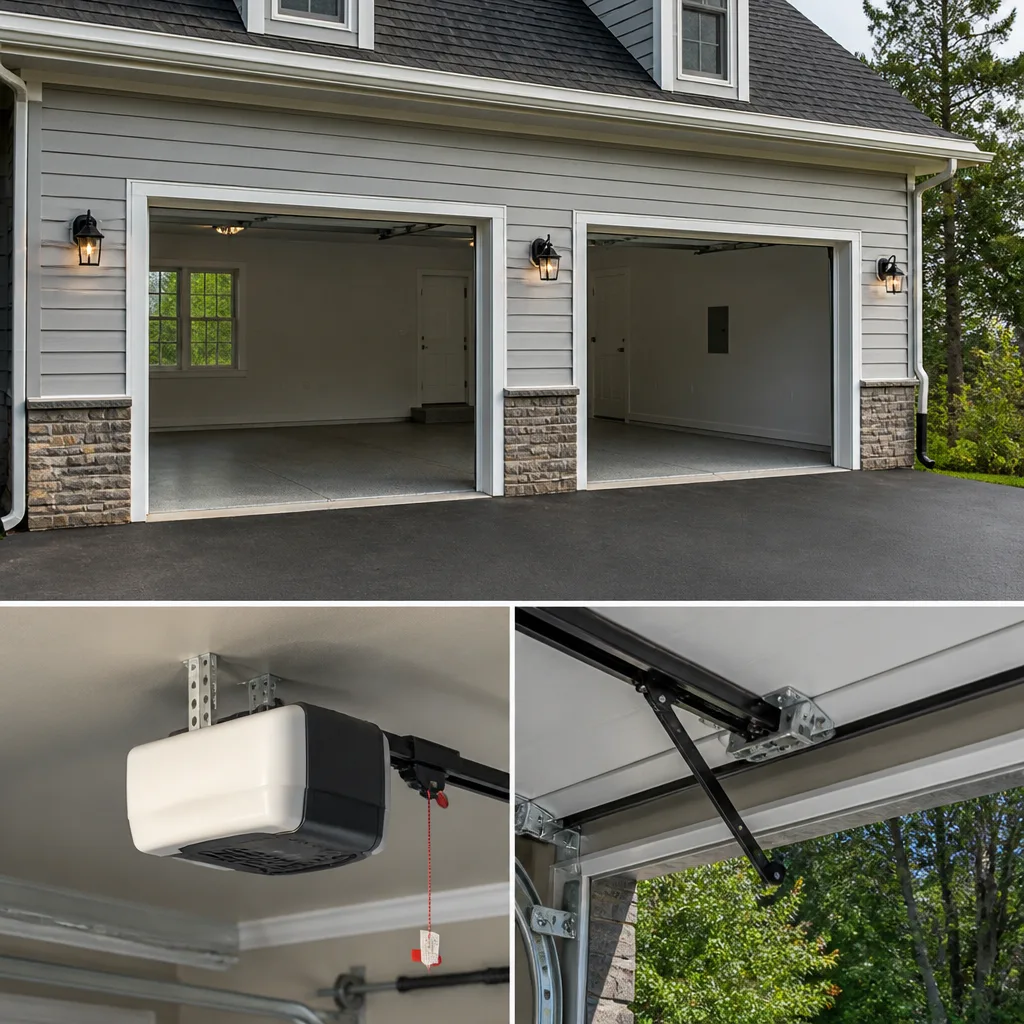 LiftMaster openers
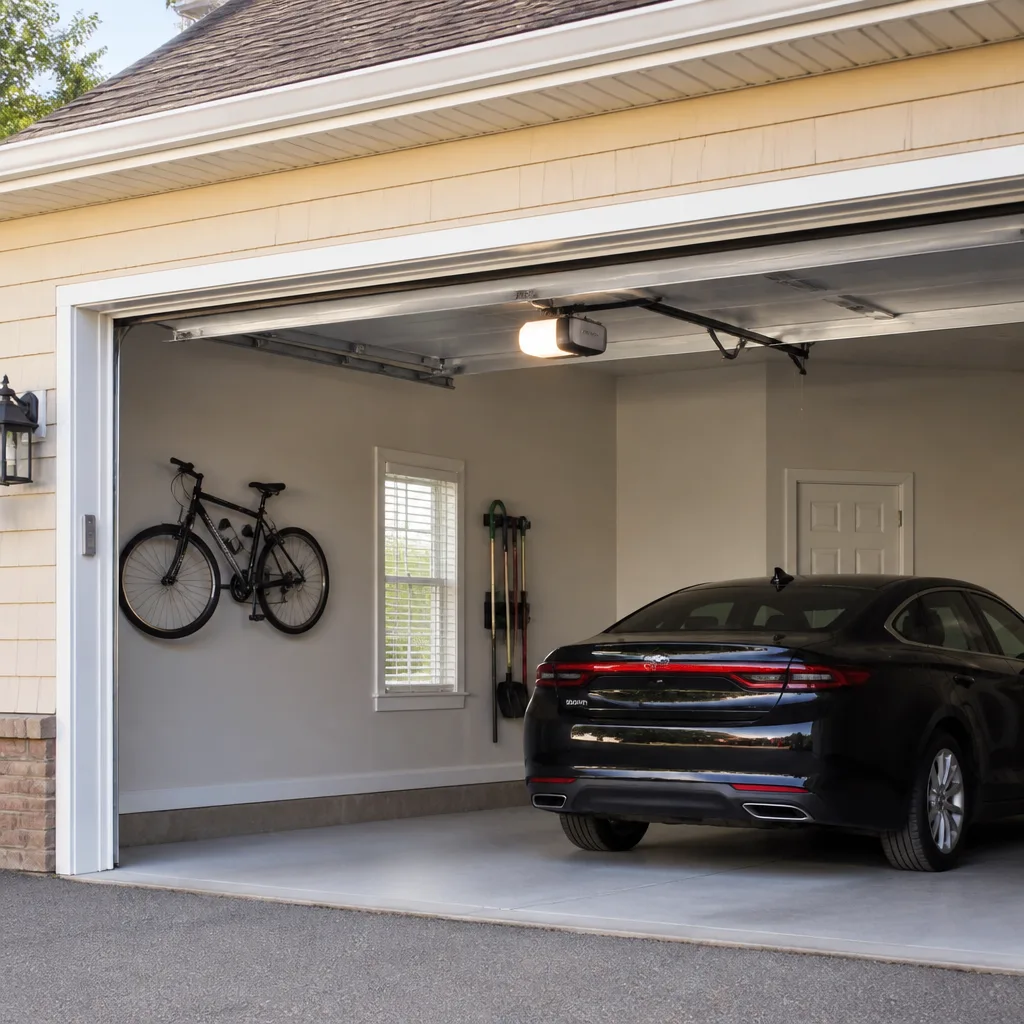 Chamberlain openers
Full 25-point door and opener safety check with every visit - springs, cables, rollers, tracks, and your LiftMaster or Chamberlain opener included
You get a price before we start. It does not change when the pro arrives.
Get your free estimateThe Complete Guide to Garage Doors in Davie
Most garage door advice is written for a house in Ohio. It talks about ice, road salt and freeze-thaw, and none of that is your problem in Davie. Your problem is different: thick summer humidity, thunderstorms that push sideways rain under every seal, and a stretch of hurricane season that tests whether your door was built to the right standard in the first place. Those three forces wear out specific parts in a specific order, and a guide that ignores them sends you shopping for the wrong fix. This guide covers your door as a system built for this climate, part by part, cost by cost, so a fifteen-year door doesn’t quietly become a five-year one.
Quick Answer
A garage door in Davie lasts longest when you match the hardware to the climate and the wind standard: a wind-load rated door, corrosion-resistant springs and tracks, and a bottom seal that actually keeps water out. Expect typical local costs of about $125 to $340 for a single spring replacement, roughly double that for a matched pair, $150 to $400 for a new opener, and $850 to $3,500 for a full door installation, depending on size and rating. The most common hidden failure in South Florida isn’t a snapped spring in the middle of the night. It’s slow corrosion of springs, cables and hinges during the years before anything visibly breaks.
Styles & brands we work with
- Raised-panel steel
- Carriage house
- Modern flush
- Full-view glass
- LiftMaster openers
- Chamberlain openers
Table of Contents
- How Davie’s Climate Wears Out Your Garage Door
- Wind-Load Rated vs. Standard Doors: Why Broward County Code Cares
- Your Door, Component by Component
- What Garage Door Work Typically Costs in Davie
- How the Major Brands Hold Up in Florida Heat
- A 10-Minute Inspection You Can Do Yourself
- Repair or Replace? A Decision Framework
- The Safety Rules That Matter Most
How Davie’s Climate Wears Out Your Garage Door
Humidity is the slow killer. The average garage in Davie sits at high humidity for most of the year, especially if it’s not air-conditioned, and that moisture settles onto bare steel every night when the temperature drops. Torsion springs, cables, hinges and the door’s bottom brackets all lose their protective coating the same way. A torsion spring stored deeper inside your garage, away from moving air, can corrode faster than the door face you can see. In our experience, an uncoated spring in a South Florida garage can lose its coating and start pitting long before the door shows any problem at all. That’s not a sales pitch. It’s why a spring that was never touched can fail on a quiet Tuesday with no warning.
Salt air proximity is the second factor. You don’t have to live on the water for the air to carry salt; South Florida’s prevailing onshore breeze does it for you. Springs, cables and hinges are where that salt accumulates because they’re the moving parts that don’t get wiped down.
The third factor is storm season. Every heavy rain event pushes water against your bottom seal and door edges, and every windy front drives debris against the tracks. After the storm passes, the damage is usually cosmetic, but it accelerates everything that comes after.
What this means in practice:
- Check your bottom seal twice a year, not once. It’s the cheapest part on the door and the biggest entry point for water.
- Look at the springs and cables for discoloration – rust starts as a brown tint, not a flake.
- Have the door’s balance checked after any strong storm, even if it still opens.
- Keep hinges and rollers lightly lubricated with a garage-door-rated product; the humidity does more damage to unprotected metal here than in most of the country.
A door built for a milder climate will work in Davie. It just won’t last as long unless the hardware is protected. That’s the whole idea behind treating your door as a system, not a collection of parts.
Wind-Load Rated vs. Standard Doors: Why Broward County Code Cares
Davie sits in Broward County, where the building code takes wind load seriously because the region expects hurricane-season storms and provides for them. A standard garage door and a wind-load rated door can look identical from the street. The difference is in the reinforcement behind the panels, the gauge of the tracks, the anchor points and the engineering documentation a manufacturer provides for a specific opening. One is built to flex and hold in high wind. The other is built to look nice.
For most homeowners, the practical question is whether the door you’re buying or keeping was ever rated for the wind speeds this area sees. Here’s what to know:
- Ask for the wind-load rating documentation. A rated door should come with a manufacturer’s rating for your specific opening size, not a generic claim.
- Check whether the existing door is reinforced. A garage-door professional can confirm whether your current door has a rated reinforcement system or is a stock door.
- Match the opener to the door’s weight. A heavier reinforced door needs an opener with the right lift capacity, or the opener wears out early.
- Confirm with your city’s building department. Permit and code requirements for garage door replacement can vary, so ask before the work starts and get the answer in writing.
This is where a full-scope contractor matters. If you buy a reinforced door from one company and an opener from another, nobody owns the system. Our garage door installation service covers the door, the reinforcement, the hardware and the opener as one job, so the rating on the paperwork matches what’s actually hanging above your car.
Your Door, Component by Component
A garage door is five systems working together: the springs, the cables and drums, the hinges and rollers, the tracks, and the opener. When one fails, the others are usually close behind. Here’s what each part does, what failure looks like in Davie, and what replacement typically runs.
Torsion and extension springs
Springs do the lifting. Torsion springs sit above the door on a bar; extension springs run along the sides. In this climate, both corrode, and a corroded spring is a spring waiting to fail. Early signs are a brown tint on the coil, a slight sag in the door’s balance, or a door that suddenly feels heavy. This is the most dangerous repair on the entire door, and it belongs to a trained technician, not a homeowner. Single spring replacement typically runs $125 to $340; a matched pair, which is usually the right call, runs roughly double.
Cables and drums
Cables ride on drums at the corners of the door and hold the spring tension under control. They fray, kink and rust. A frayed cable can snap under load, and like springs, they should only be handled by someone trained for it. Replacement typically runs $180 to $380 including the pair and the drums they ride on.
Hinges and rollers
These are the door’s moving joints. Humidity here rusts them quickly, and a rusted roller not only lets the door scrape, it puts extra load on the opener. Replacement of a full set of hinges and rollers typically runs $90 to $220, and it’s the cheapest way to extend the life of everything around it.
Tracks
Metal channels keep the door aligned. Storm debris and water exposure bend and rust them. A single section of track typically runs $80 to $200; a full replacement set runs $200 to $450.
Bottom seal and weatherstripping
The rubber strip along the floor is your first line against rain, pests and air leaks. In Davie it ages fast and hardens, and a worn seal lets water pool at the base of the door. Replacement typically runs $40 to $120, and it’s the single best value on the list.
Opener
The motor and drive system. In this climate, the opener’s circuit board is the part the humidity attacks first. Board replacement typically runs $150 to $350, and a full opener replacement runs $150 to $400 for a chain or belt unit, including installation. If you’re replacing it, LiftMaster and Chamberlain both make Wi-Fi-connected units that work with a phone app, and we work on both brands.
What Garage Door Work Typically Costs in Davie
Local pricing runs slightly above the national average because of storm-season demand and higher humidity-driven repair volume. Here are typical estimates for this market. The written quote you receive before the work starts is the price you pay; we don’t change it once the door is opened up.
- Single torsion or extension spring: $125 to $340
- Matched spring pair: roughly double the single-spring figure
- Cables and drums (pair): $180 to $380
- Hinges and rollers (set): $90 to $220
- Bottom seal: $40 to $120
- Single track section: $80 to $200
- Full track set: $200 to $450
- Opener circuit board: $150 to $350
- Opener replacement (chain or belt): $150 to $400 installed
- New single-car door: $850 to $1,600
- New two-car door: $1,400 to $3,500
Remember: a spring price above is for one spring. A matched pair is usually replaced together because a new spring alongside an old one pulls unequally, so a pair costs about twice the single figure. Two more things worth knowing: the price is estimated from your door’s size and condition, and the final number comes in the written estimate. Nothing starts until you’ve agreed to it. If you’re still deciding what to fix and what to replace, our garage door repair team can look at the door and tell you honestly which parts need work now and which can wait.
How the Major Brands Hold Up in Florida Heat
Brand matters mostly in how the metal is treated. Some manufacturers finish their hardware and springs for humid climates, and some simply don’t advertise that they don’t. You won’t find a “summer humidity” label on the box, so here’s what we’ve learned handling these systems in Davie.
- Clopay makes a range of steel and insulated doors, with some models offering better paint and coating systems than the entry-level lines. Their higher lines tend to hold up to humidity better than their builder-grade stock, which is worth checking before you buy.
- Amarr also offers insulated options with factory finishes, and their reinforced models are built for wind-rated openings. We install them for homeowners who need a rated door that matches a specific opening size.
- Wayne Dalton has a wide range, including some models with factory-completed finishes. Their hardware quality varies significantly by line, so it’s worth asking a technician which parts on your model are coated and which aren’t.
- Craftsman openers and doors show up frequently in older Davie homes. The opener drive systems are dependable, but service support and parts availability change, which is worth knowing before a repair.
On the opener side, LiftMaster and Chamberlain are the two brands we work on most, and both make Wi-Fi and app-connected units that behave well in our conditions. We work with Genie and Raynor too. Ask any brand question when the technician arrives; matching parts to your existing model is part of the job, not an upcharge.
A 10-Minute Inspection You Can Do Yourself
You can spot most serious problems before they become emergencies. Do this once in spring and once after storm season, with the door closed and the opener disconnected where the check requires it.
- Look at the springs for color change. Brown tint or flaking on the coil is early corrosion. It’s a warning sign, not an emergency yet.
- Check the bottom seal. Run your hand along the rubber strip at floor level. It should be soft and touch the ground along its full length. If it’s cracked or dragging, it needs replacement.
- Test the balance. Disconnect the opener (pull the release cord) and lift the door halfway by hand. It should stay in place. If it drops or rises on its own, the springs need attention.
- Inspect the cables. Look for fraying, kinks or rust at the corners where the cables ride on the drums. Any visible fray means stop using the door.
- Listen to the door. A door that squeaks, rattles or scrapes is telling you a roller, hinge or track is failing. Lubrication helps, but a sound that returns is a repair.
- Check the safety reverse. Place a small object (a roll of paper towels works well) under the door and close it with the opener. The door should reverse when it meets the object.
- Look at the weatherstripping at the sides and top. If there are gaps, storm-driven rain can get in, and that’s exactly what this climate delivers.
What you’re looking for is a pattern, not a single symptom. Springs that balance fine don’t need replacing. Springs that don’t hold the door up need a technician that day. If you find a soft seal plus brown springs plus a noisy roller, the door is telling you it’s due for a full hardware refresh.
Repair or Replace? A Decision Framework
The honest answer depends on the door’s age, condition and whether it was ever built for this climate. Use this as a rough guide, then have a technician verify on site.
- Repair if only one system has failed (springs, opener, or a single track section) and the door is otherwise balanced and intact. A door from a good manufacturer with a sound structure is worth repairing, especially if the hardware is being upgraded to corrosion-resistant parts at the same time.
- Repair more carefully if you’re on your second or third spring-set failure in a few years. That pattern points to a door that was never designed for humidity, and the real fix is replacing the hardware properly, not just the springs.
- Replace if the door is not wind-load rated and you want it to meet the opening’s rating, if the panels are delaminated from moisture, or if multiple systems are failing at once and the repair bill approaches the cost of a new unit.
- Replace the opener rather than the door if the door is sound but the opener is on its second circuit board. That’s a humidity pattern, not a door failure.
When the opener is the weak link, replacing just the motor brings a smart, connected unit with a warranty that fits your door. Our garage door opener repair service covers board-level fixes and full replacements, so you’re not buying a new opener when the old one has one bad part. A new door is a different kind of decision and worth its own conversation, which our installation team is ready to have with you. And if the door stops working and you need it addressed quickly, call us – emergency service is something we offer, not an optional add-on.
The Safety Rules That Matter Most
Two parts of a garage door will maim you if handled wrong: the springs and the cables. Both hold tension under load, and both can release that energy without warning. A torsion spring under full tension can take off a finger or worse. Never attempt to unwind, adjust or remove a spring or cable yourself, and don’t cut or loosen a cable to release tension. The garage door is one of the few homeowner-maintained systems where the standard advice is genuinely: don’t. Beyond springs and cables, the opener itself carries electrical current and needs to be disconnected at the breaker before any board-level work. The bottom brackets that hold the cables are also loaded, and a bracket that lets go can put a person in the hospital. Leave the springs, cables, brackets and any electrical work to a trained technician. What you can safely do is inspect and lubricate, and call when something looks wrong.
Common Mistakes to Avoid
- Buying an unrated door without checking. A stock door that looks identical to a wind-rated one can be exactly that – unrated. Ask for the wind-load documentation for your opening size before you sign anything.
- Replacing one spring at a time. Putting a new spring alongside an old one pulls the door unevenly and shortens the life of both. A matched pair is usually the right choice.
- Ignoring the bottom seal. It’s a $40 to $120 part that protects everything above it. A worn seal lets water and pests in with every storm.
- Using a general handyman for springs. Spring and cable work requires specialized training and the right tools. Using someone without that training puts you and your door at risk.
- Lubricating with the wrong product. WD-40 is not a garage door lubricant; it attracts dust and doesn’t stay put. Use a garage-door-rated lubricant on hinges, rollers and the opener rail.
- Painting over corroded hardware. Paint hides rust instead of stopping it. Check the springs and cables instead of covering them.
- Assuming any garage door company handles your brand. Not every company stocks parts or knows every opener platform. If you have a LiftMaster or Chamberlain smart opener, confirm the technician works on it before booking.
See the difference
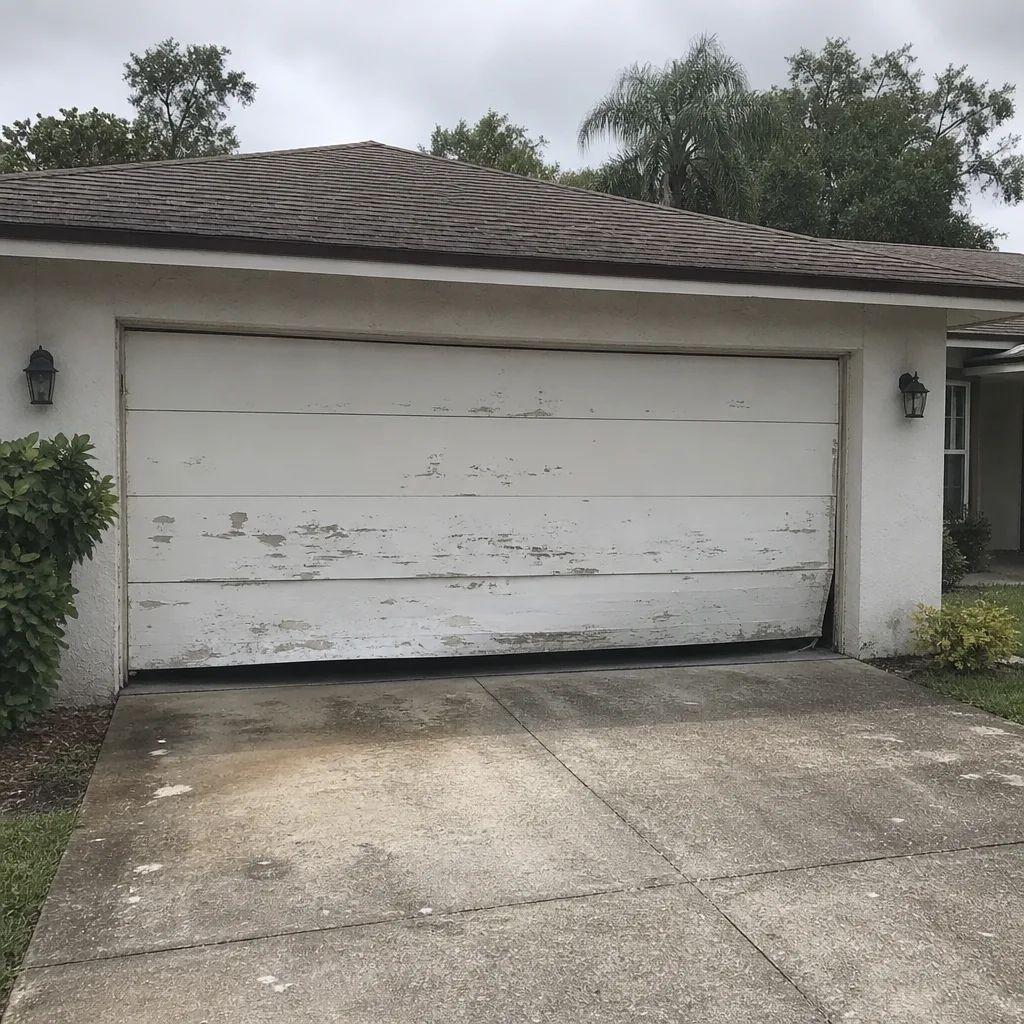 Before
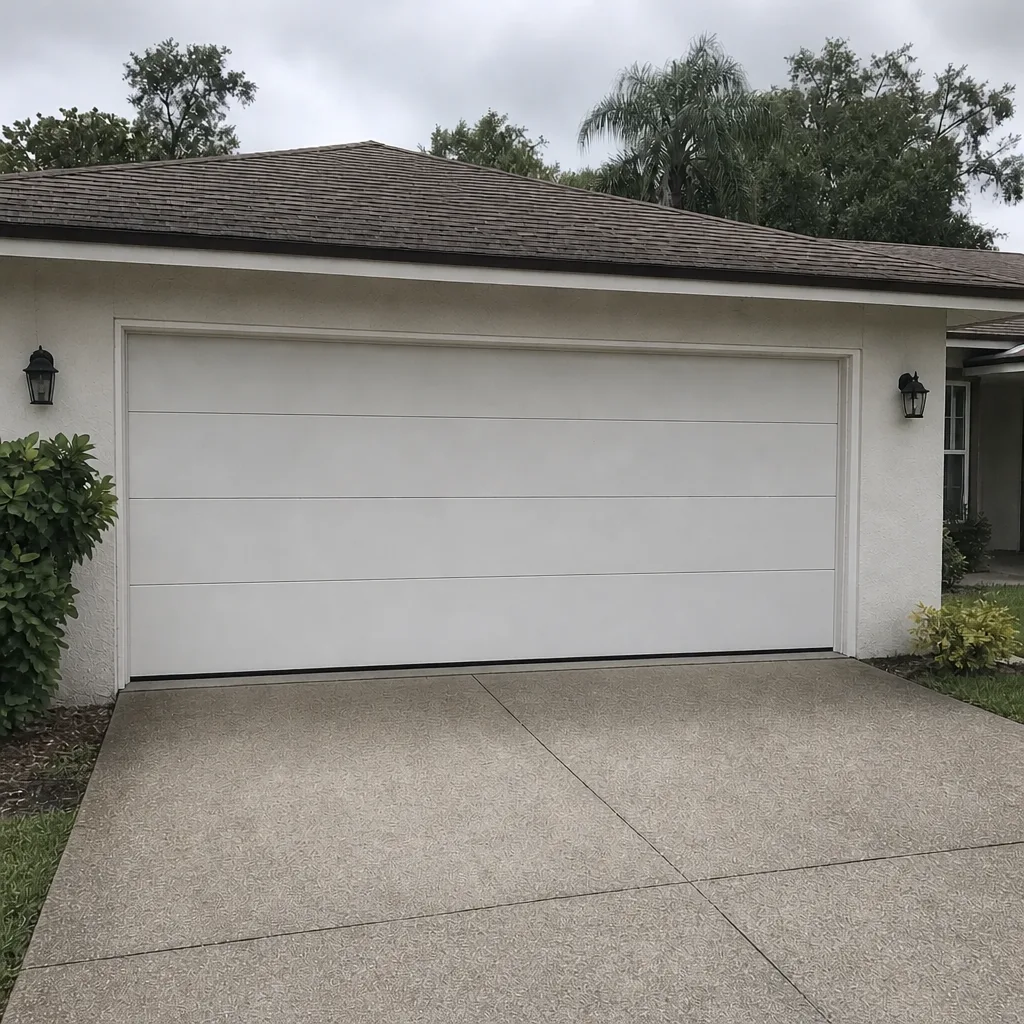 After
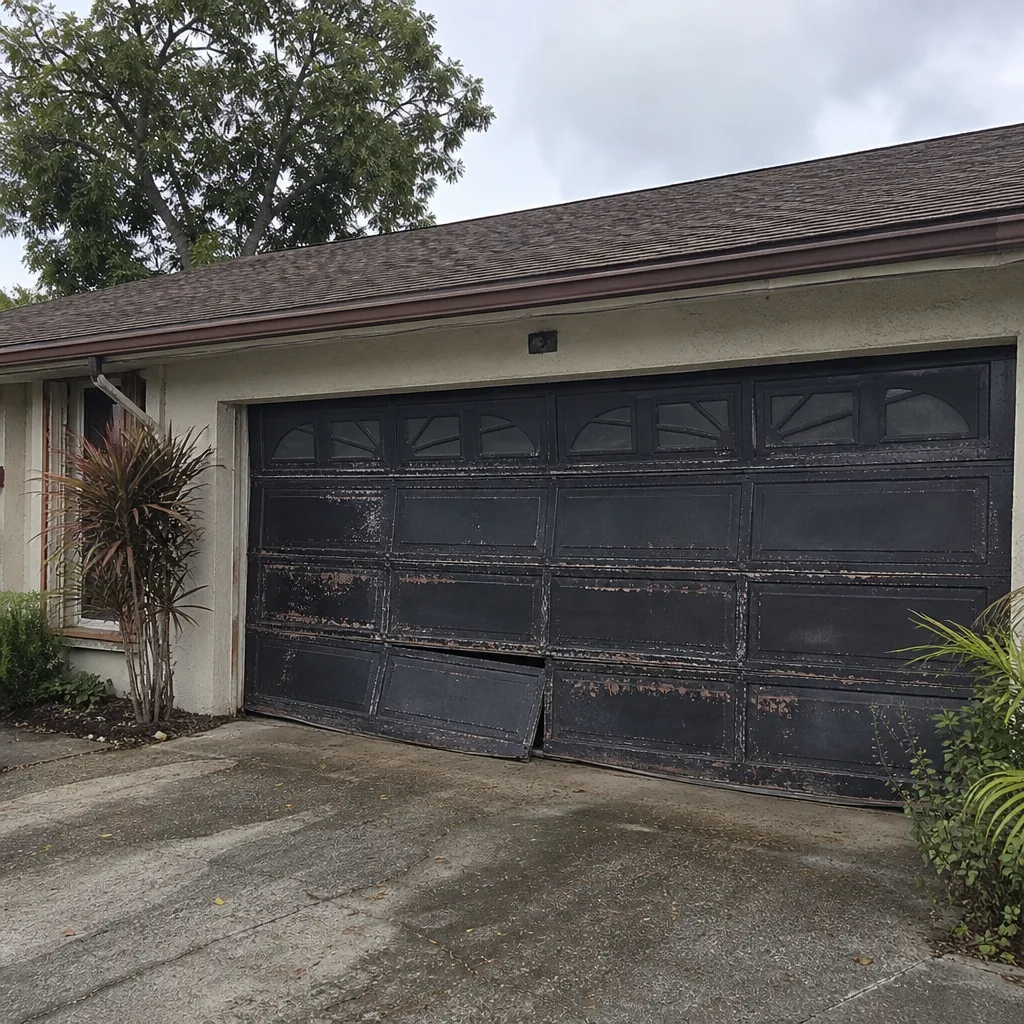 Before
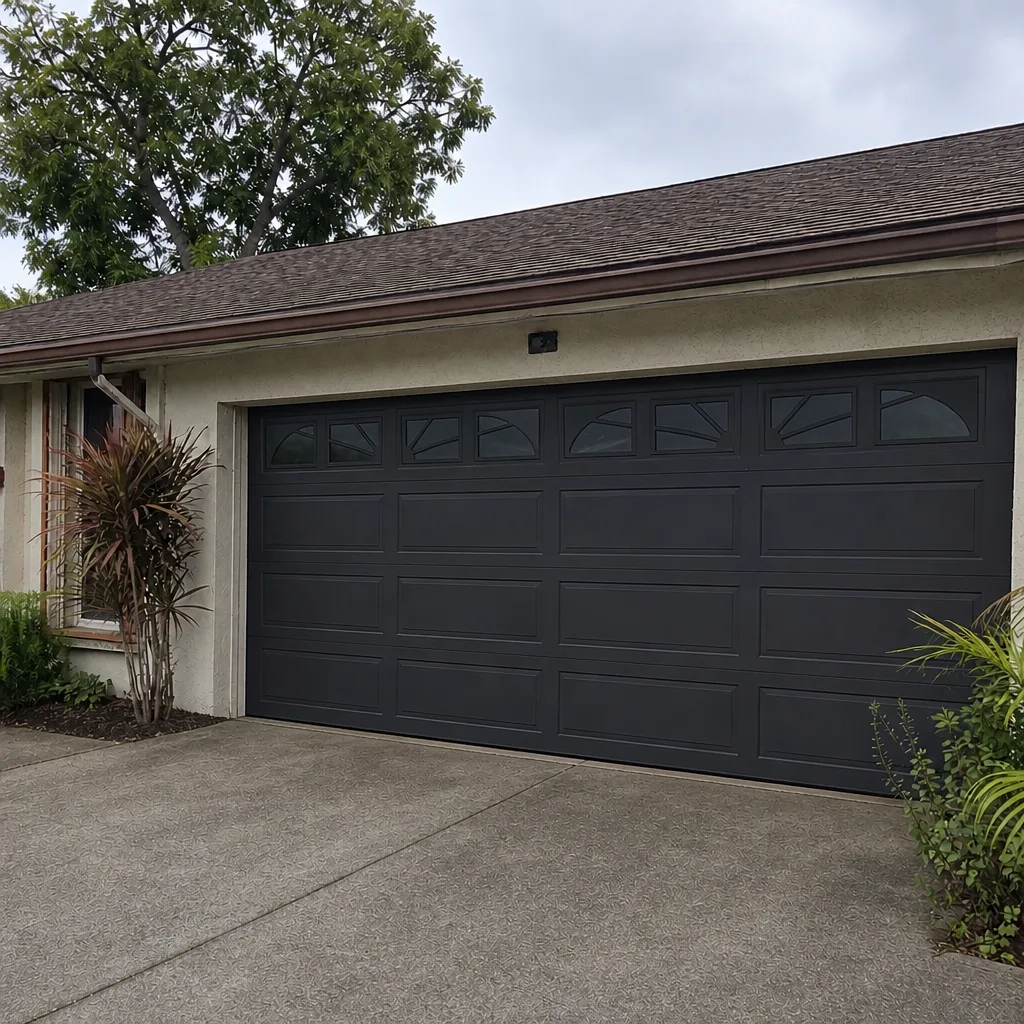 After
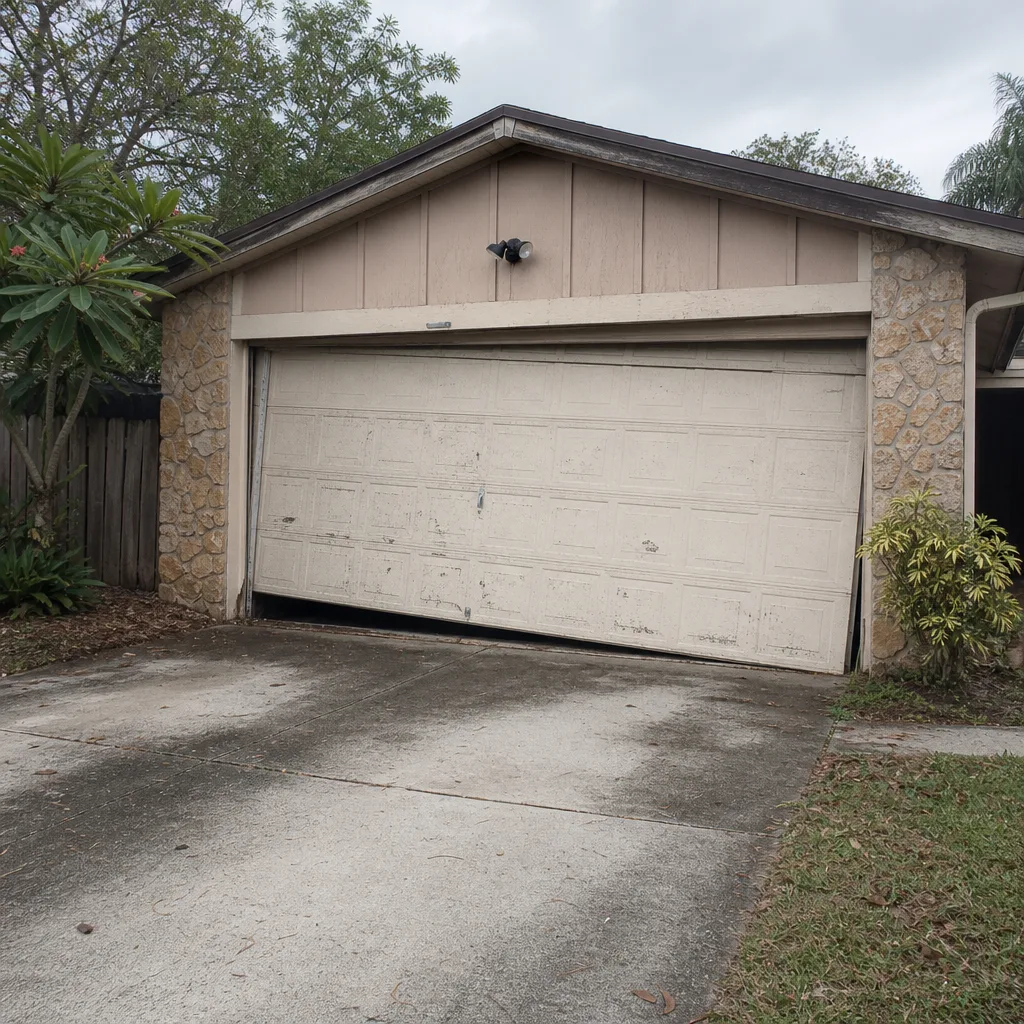 Before
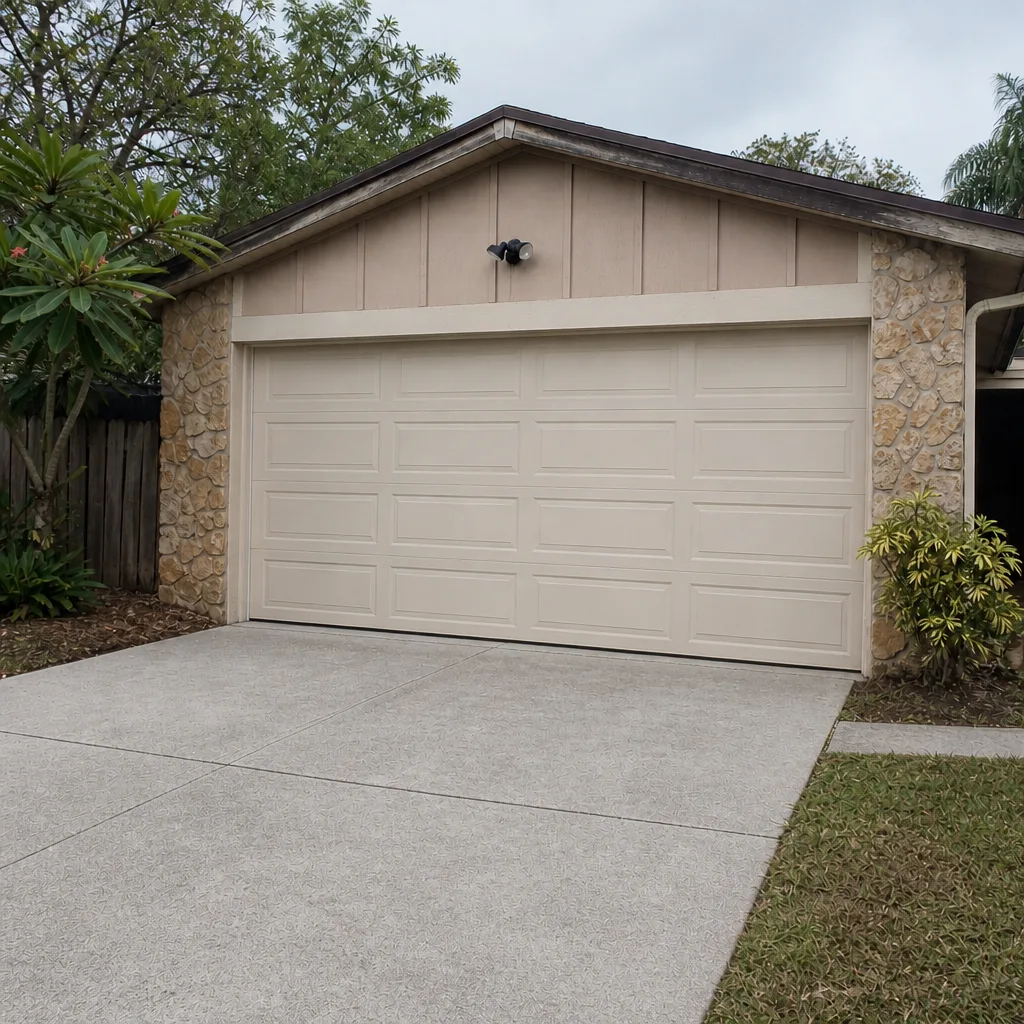 After
When to Call a Professional
Call a professional for any spring or cable issue, any electrical issue with the opener, a door that has come off its track, and a door that won’t stay in position when lifted by hand. Call if the door has stopped opening after storm damage, if you see fraying anywhere, or if the opener cycles but the door doesn’t move. And call if the door has stopped working and you need it functional for daily entry – an emergency call is what that is. Davie Garage Door Repair Co offers free estimates in Davie – call (866) 406-5925. We work on eight major brands, from Clopay and Amarr to Wayne Dalton and LiftMaster, and our technicians have up to 15 years of experience.
Frequently Asked Questions
Typical spring repair in Davie runs $125 to $340 for one spring, and about twice that for a matched pair, which is usually replaced together. That cost is an estimate based on your door size and condition, and the final figure comes in the written quote before any work starts. Call (866) 406-5925 for an exact quote – estimates are free.
We offer emergency garage door service for situations where the door can’t wait – not just scheduled repairs. If your door is stuck, come off its track, or won’t respond to the opener, call and tell us what it’s doing. Call (866) 406-5925 to book emergency service.
No. We quote the price and you agree to it before any work starts, and the written estimate is the final price. There’s no surprise add-on after the technician has been on site. Call (866) 406-5925 for a free estimate.
Broward County building code treats wind load as a serious requirement for openings, so a rated door is the right standard for replacements here. Confirm the requirement for your specific opening with the city’s building department before the work is scheduled. Call (866) 406-5925 to talk through rated door options.
The local professionals we connect you with are licensed and insured as their state requires. We work with a trained local pro on every job, and spring and cable repairs are handled by technicians trained for that work. Call (866) 406-5925 with any questions before booking.
Yes. We work on both LiftMaster and Chamberlain, including their Wi-Fi and app-connected units, along with opener systems from Genie and Raynor. If your opener’s circuit board or drive system has failed, we can diagnose it and tell you whether board repair or full replacement makes more sense. Call (866) 406-5925 for an estimate.
The Bottom Line
A garage door in Davie is a system fighting humidity, salt air proximity and storm season at the same time. Getting the most out of it means picking hardware that can handle those conditions, checking the wind-load rating against what this area requires, and staying ahead of the parts that fail first: springs, cables, hinges and the bottom seal. Repair is usually the right call when only one system has failed. Replace when the door itself was never rated for this climate, or when repairs start to outweigh a new unit. Whichever way you go, the Davie Garage Door Repair Co handles repair, springs, opener work and full installation as one job. A free estimate is a phone call away at (866) 406-5925.
Written by the team at Davie Garage Door Repair Co.